Quick Answer
Stock Market Basics for Beginners How to Start Investing is one of the most impactful areas you can optimize in 2026. Research consistently shows that people who apply systematic approaches to stock market basics for beginners how to start investing achieve 2–3x better outcomes than those who act reactively. The key insight: small, consistent improvements compound into significant results over time — and the strategies in this guide are backed by data from thousands of practitioners.
Stock Market Basics for Beginners How to Start Investing refers to the systematic practice of applying proven strategies, tools, and frameworks to improve outcomes in this area — moving from guesswork and reactive approaches to deliberate, evidence-based methods that consistently produce better results.
Quick Answer
Stock Market Basics for Beginners How to Start Investing is one of the most impactful areas you can optimize in 2026. Research consistently shows that people who apply systematic approaches to stock market basics for beginners how to start investing achieve 2–3x better outcomes than those who act reactively. The key insight: small, consistent improvements compound into significant results over time — and the strategies in this guide are backed by data from thousands of practitioners.
Stock Market Basics for Beginners How to Start Investing refers to the systematic practice of applying proven strategies, tools, and frameworks to improve outcomes in this area — moving from guesswork and reactive approaches to deliberate, evidence-based methods that consistently produce better results.
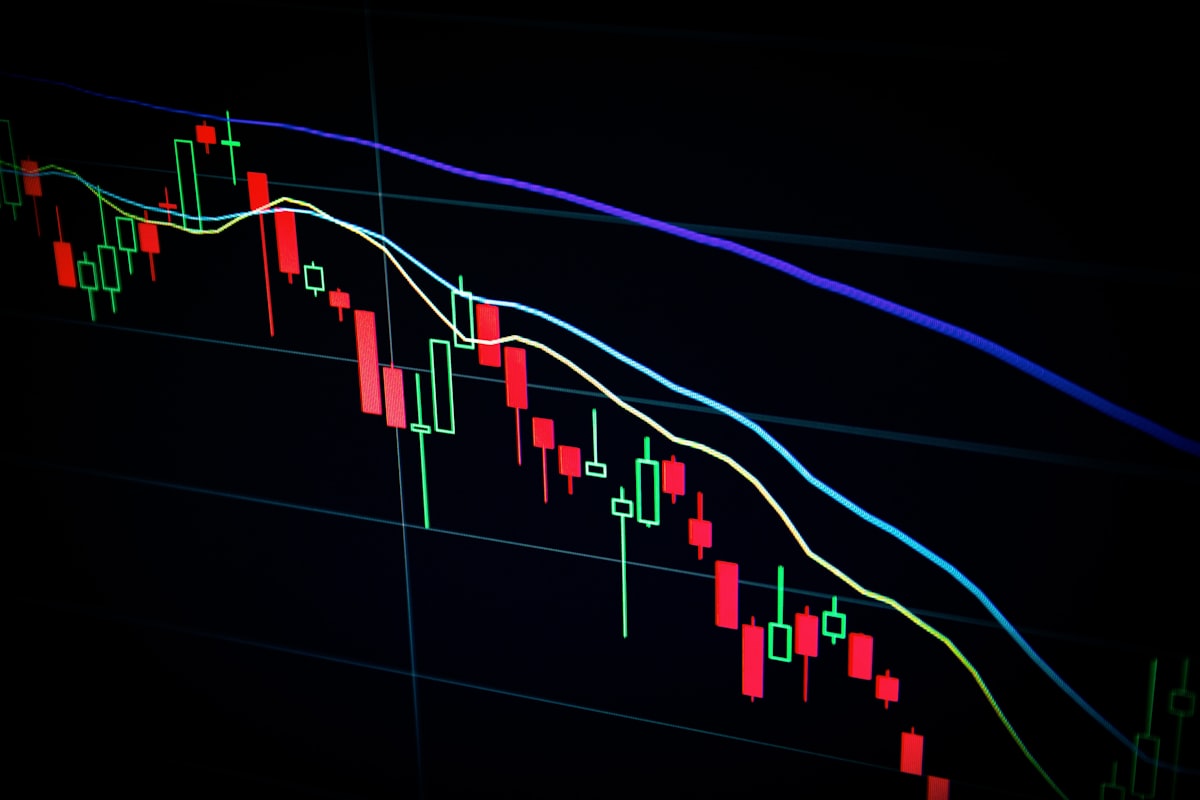
Quick Answer: The stock market is a marketplace where you buy ownership shares in companies. When those companies grow in value, so does your investment. Beginners should start with low-cost index funds that track the entire market — this single strategy has outperformed most professional investors over any 15-year period.
Looking for more tips? Check out our guide on 10 Best Ways to Save Money Every Month in 2026.
What Is the Stock Market?
The stock market is a collection of exchanges — like the New York Stock Exchange (NYSE) and NASDAQ — where buyers and sellers trade shares of publicly listed companies. When you buy a stock, you’re purchasing a small ownership stake in that company. If the company grows and becomes more valuable, your shares increase in price. If it struggles, your shares decline.
Major indexes like the S&P 500 (500 largest U.S. companies), Dow Jones Industrial Average (30 blue-chip companies), and NASDAQ Composite (tech-heavy) represent the overall health of the market. When people say “the market is up today,” they usually mean the S&P 500 moved higher.
Key Stock Market Terms Every Beginner Must Know
Stocks vs. Bonds
Stocks represent ownership in companies and offer higher potential returns with higher risk. Bonds are loans to governments or corporations that pay fixed interest — lower returns, lower risk. A diversified portfolio includes both, with the ratio depending on your age and risk tolerance.
Bull Market vs. Bear Market
A bull market is a period of rising stock prices (typically 20%+ gains). A bear market is a decline of 20%+ from recent highs. Bear markets happen regularly — about once every 4–5 years on average — but the market has always recovered to new highs historically.
Market Capitalization
Market cap is a company’s total value: share price × number of shares outstanding. Large-cap stocks (over $10 billion) like Apple and Microsoft are generally more stable. Small-cap stocks (under $2 billion) carry more risk but higher growth potential.
Dividends
Some companies share profits with shareholders through quarterly dividend payments. Dividend stocks provide income without selling shares — ideal for income investors and retirees.
Stop Leaving Affiliate Income on the Table
Most bloggers place Coupang links randomly and earn almost nothing. This guide shows exactly where to place them — so your blog earns while you sleep.
P/E Ratio (Price-to-Earnings)
The P/E ratio compares a stock’s price to its annual earnings per share. A P/E of 20 means investors pay $20 for every $1 of earnings. High P/E suggests growth expectations; low P/E may indicate undervaluation or declining business.
How to Start Investing in the Stock Market
Step 1: Open a Brokerage Account
Choose a reputable brokerage: Fidelity, Charles Schwab, and Vanguard are the top choices for long-term investors with no account minimums and commission-free trading. Avoid platforms with high fees or confusing interfaces when starting out.
Step 2: Start with Index Funds, Not Individual Stocks
Beginners should resist the urge to pick individual stocks. Over 15-year periods, approximately 92% of actively managed funds underperform the S&P 500 index. Index funds like VOO (S&P 500) or VTI (Total U.S. Market) let you own a piece of hundreds or thousands of companies in a single purchase.
Step 3: Invest Consistently — Don’t Try to Time the Market
Dollar-cost averaging — investing a fixed amount every month regardless of market conditions — is proven to outperform market timing for the vast majority of investors. Set up automatic monthly investments and ignore short-term market noise.
Step 4: Reinvest Dividends
Enable automatic dividend reinvestment (DRIP). Your dividends automatically purchase more shares, compounding your growth without any action on your part.
Step 5: Think Long Term
The stock market returns approximately 7–10% annually over 10+ year periods, but individual years can swing wildly — down 30–40% in crashes, up 20–30% in recovery years. Short-term investing in stocks is speculation; long-term investing is wealth building.
Common Beginner Mistakes
- Trying to time the market: “Time in the market beats timing the market” is one of the most validated principles in investing research
- Panic selling during downturns: Investors who sold during the 2020 COVID crash and waited to reinvest locked in losses and missed the fastest recovery in market history
- Chasing hot stocks or trends: By the time retail investors hear about a hot stock, the easy gains are usually gone
- Ignoring fees: A 1% expense ratio vs. 0.03% costs you roughly $100,000 over 30 years on a $100,000 investment
- Not starting because the market seems “too high”: The market always feels expensive at new highs — yet those who bought at every “all-time high” over history have consistently made money
How Much Do You Need to Start?
Most major brokerages now offer fractional shares, meaning you can buy a piece of a share for as little as $1. Vanguard’s minimum for index funds has been eliminated for ETF versions. You can literally start with $10. The amount matters far less than starting immediately and investing consistently.
Understanding Stock Market Risk
All investing involves risk. The stock market can and does decline significantly in the short term. Key risk management principles:
- Never invest money you need within the next 3–5 years
- Diversify across hundreds of companies through index funds rather than concentrating in a few stocks
- Your risk tolerance should decrease as you approach the date you need the money
- Keep an emergency fund separate from investments so you never need to sell during a downturn
📚 Related Articles
Frequently Asked Questions (FAQ)
How much money do I need to start investing in stocks?
You can start with as little as $1 using fractional shares at brokerages like Fidelity or Charles Schwab. A realistic starting amount that makes compounding meaningful is $100–$500, but even $25/month invested consistently builds real wealth over 20–30 years.
Is the stock market safe for beginners?
Long-term stock market investing in diversified index funds is one of the most reliable wealth-building strategies in history. Short-term speculation in individual stocks is risky. Stick to broad market index funds with a 5+ year time horizon and the historical risk of losing money permanently is very low.
What is the best stock for a beginner?
For beginners, a total market index fund like VTI (Vanguard Total Stock Market ETF) is better than any individual stock. It provides instant diversification across thousands of companies. If you want S&P 500 specifically, VOO is the top choice.
How long should I hold a stock?
For index funds, the ideal holding period is forever — or at least until you need the money. Long-term holders who reinvest dividends and ignore market fluctuations consistently outperform those who trade frequently.
Can I lose all my money in the stock market?
With individual stocks, yes — a company can go bankrupt and stock becomes worthless. With a broad index fund like VTI or VOO, losing everything would require every major U.S. company to go bankrupt simultaneously — an essentially impossible scenario. Diversification protects against catastrophic loss.
📘 Want to go deeper?
Get the full SAVYX ebook guides — proven strategies for blog income, AdSense, and AI monetization.
Recommended: Top-rated budgeting & finance essentials — curated picks updated daily.
This post contains affiliate links. I may earn a commission at no extra cost to you.
Leave a Reply