Quick Answer
Save Money Fast 10 Proven Strategies That Actually Work is one of the most impactful areas you can optimize in 2026. Research consistently shows that people who apply systematic approaches to save money fast 10 proven strategies that actually work achieve 2–3x better outcomes than those who act reactively. The key insight: small, consistent improvements compound into significant results over time — and the strategies in this guide are backed by data from thousands of practitioners.
Save Money Fast 10 Proven Strategies That Actually Work refers to the systematic practice of applying proven strategies, tools, and frameworks to improve outcomes in this area — moving from guesswork and reactive approaches to deliberate, evidence-based methods that consistently produce better results.
Saving money fast feels impossible when bills keep piling up and your paycheck barely covers expenses. But with the right strategies, anyone can dramatically increase their savings rate within weeks. This comprehensive guide covers 10 proven methods to save money fast — regardless of your current income level.
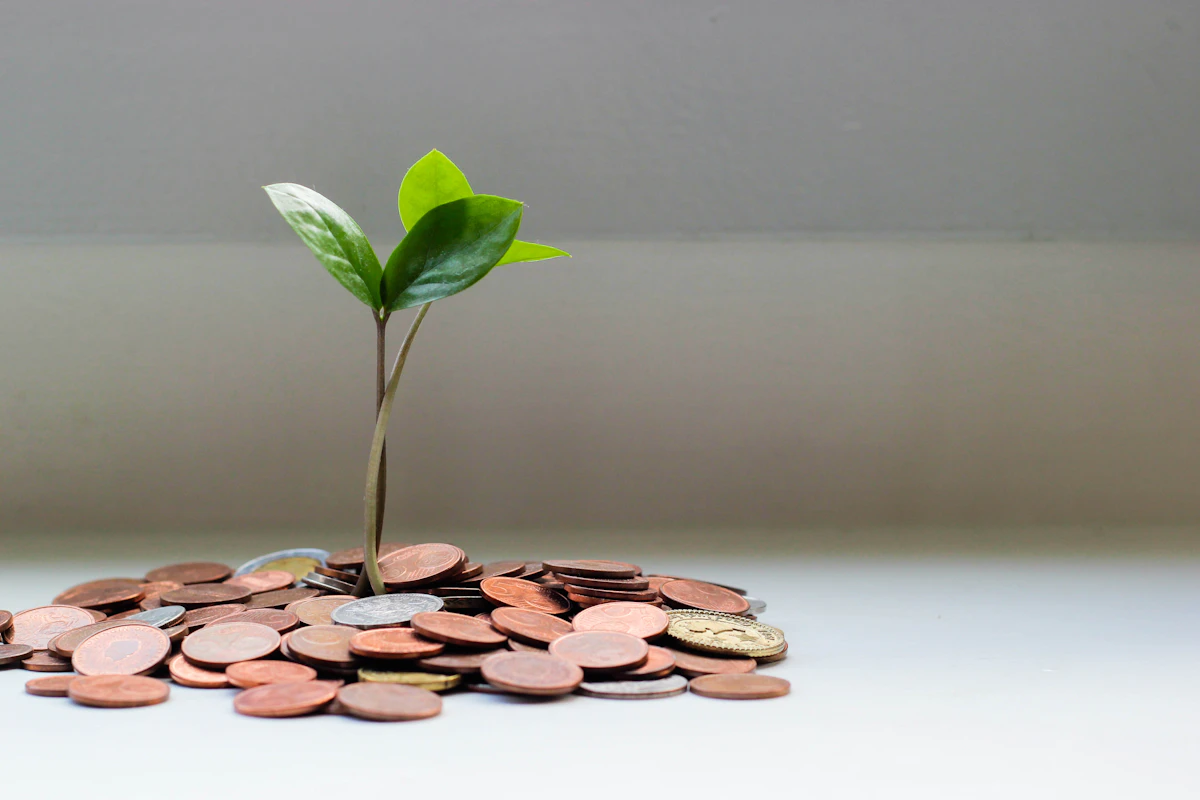
Why Saving Money Fast Matters
Financial emergencies happen to everyone. A sudden car repair, medical bill, or job loss can derail your finances overnight. Having savings provides a crucial safety net and reduces stress dramatically. The faster you build savings, the more financial freedom you gain. Research consistently shows that people with savings sleep better, experience less anxiety, and make better long-term decisions.
Looking for more tips? Check out our guide on How to Retire Early with ETF: Your 2026 Complete Guide.
1. Track Every Dollar You Spend
You cannot save money you cannot see leaving. The first step to saving money fast is tracking every single expense for 30 days. Use a free app like Mint, YNAB, or even a simple spreadsheet. Most people are genuinely shocked by what they discover — subscriptions they forgot about, daily coffee purchases adding up to hundreds monthly, or grocery overbuying that results in food waste.
Stop Leaving Affiliate Income on the Table
Most bloggers place Coupang links randomly and earn almost nothing. This guide shows exactly where to place them — so your blog earns while you sleep.
Once you see where your money actually goes, you can make informed decisions about where to cut. Most people find they can redirect 15 to 25 percent of their spending toward savings simply by becoming aware of unconscious spending habits.
2. Apply the 24-Hour Rule for Non-Essential Purchases
Impulse buying is the silent killer of savings. Before making any non-essential purchase over $30, wait 24 hours. This simple habit alone can save hundreds of dollars monthly. During that waiting period, ask yourself three questions: Do I genuinely need this? Will I still want it tomorrow? Can I find it cheaper or borrow it instead? You will find that roughly 60 percent of impulse purchases feel unnecessary after a day’s reflection.
3. Cut Subscription Costs Immediately
The average household pays for 12 subscription services but actively uses fewer than six. Go through your bank and credit card statements right now and list every recurring charge. Cancel anything you have not used in the past month. Common culprits include streaming services you forgot about, gym memberships you rarely use, app subscriptions, cloud storage plans, and monthly subscription boxes.
Cutting just three unnecessary subscriptions typically saves between $50 and $150 per month — that is $600 to $1,800 per year going back into your pocket.
4. Use the 50/30/20 Budget Framework
Budgeting feels overwhelming until you have a clear system. The 50/30/20 rule simplifies everything. Allocate 50 percent of your after-tax income to needs (rent, utilities, groceries), 30 percent to wants (dining, entertainment, hobbies), and 20 percent directly to savings and debt repayment. If 20 percent feels aggressive, start at 10 percent and increase it by 1 percent each month. Small, consistent increases are far more sustainable than dramatic cuts that you abandon after two weeks.
5. Automate Your Savings
The most reliable way to save money fast is to remove the decision entirely. Set up an automatic transfer from your checking account to a high-yield savings account on the same day your paycheck arrives. When money never sits in your checking account, you are far less likely to spend it. This “pay yourself first” strategy is used by virtually every personal finance expert and consistently produces better results than saving whatever is left at month’s end.
📺 SAVYX Money & AI Guide
6. Reduce Your Three Biggest Expenses
Housing, transportation, and food typically account for 60 to 70 percent of most people’s budgets. Small reductions in these categories produce far greater savings than cutting minor expenses. Consider taking in a roommate to split rent, refinancing your car loan, carpooling or using public transit, or meal prepping to drastically reduce dining out costs. A 10 percent reduction in each of these three categories can free up hundreds of dollars monthly.
7. Use Cashback and Rewards Strategically
If you are already spending money on groceries, gas, and utilities, you should be earning cashback on every dollar. Choose a cashback credit card that matches your spending patterns and pay the full balance monthly to avoid interest charges that eliminate all benefits. Apps like Rakuten and Honey automatically find cashback opportunities when you shop online. Over a full year, strategic cashback use can add $300 to $800 in effectively free money.
8. Negotiate Your Bills Right Now
Most people never negotiate their recurring bills, leaving significant money on the table. Your internet provider, insurance company, and even your bank will often reduce rates simply if you call and ask. Scripts exist online for negotiating virtually every type of bill. Spending two hours calling service providers can realistically save $100 to $300 per month. That is $1,200 to $3,600 annually for a couple of hours of effort.
9. Sell What You No Longer Use
Speed up your savings momentum by selling unused items around your home. Electronics, clothing, furniture, sporting equipment, and books all sell quickly on platforms like eBay, Facebook Marketplace, and Craigslist. Most households have $500 to $2,000 worth of sellable items that are simply collecting dust. Use this money to seed your emergency fund or accelerate debt repayment, both of which free up more money for savings long-term.
10. Challenge Yourself with No-Spend Days
Designate two or three days per week as complete no-spend days. No dining out, no online shopping, no impulse purchases. On these days, use what you already have at home for meals and entertainment. Families who implement no-spend days consistently report saving an additional $200 to $400 per month without feeling deprived. The key is replacing spending-based activities with free alternatives like hiking, cooking at home, library visits, or exercise.
Conclusion: Start Saving Money Fast Today
Saving money fast is entirely achievable when you combine awareness, systems, and small behavior changes. You do not need to earn more to save more — you need to manage what you already have more intentionally. Start by tracking your spending this week, automate one savings transfer today, and cut one unnecessary subscription right now. These three actions alone can put you on a path to significantly stronger finances within 30 days.
📘 Want to go deeper?
Get the full SAVYX ebook guides — proven strategies for blog income, AdSense, and AI monetization.
📚 Want more money tips and AI income strategies?
Check out our Korean blog at SAVYX Tistory Blog for in-depth guides!
Frequently Asked Questions (FAQ)
How can I save money fast on a very low income?
Start by tracking every expense, cancel unused subscriptions, cook meals at home, and open a high-yield savings account. Setting an automatic transfer of even $10/week builds the habit.
What is the fastest way to save $1,000?
The fastest way to save $1,000 is to cut 3 major expenses (dining out, streaming, impulse shopping), sell unused items, and put all extra income directly into savings.
What is a realistic savings rate on a low income?
A realistic savings rate is 5–10% of take-home pay. Even 5% of a $2,000/month income is $100/month, which grows to $1,200/year.
Are there apps that help save money automatically?
Yes. Apps like Digit, Qapital, and Acorns automatically move small amounts into savings based on your spending patterns.
Is saving money on a low income worth it?
Absolutely. Small consistent savings create an emergency fund, reduce financial stress, and build wealth over time through compound interest.
Recommended: Top-rated budgeting & finance essentials — curated picks updated daily.
This post contains affiliate links. I may earn a commission at no extra cost to you.
Leave a Reply