Tag: save money fast

  • How to Build an Emergency Fund: Your Complete Financial Safety Net Guide

    Quick Answer

    Financial experts recommend 3–6 months of essential expenses in an emergency fund. 56% of Americans can’t cover a $1,000 emergency from savings. The average cost of a financial emergency in the U.S. is $2,500, making a funded emergency account critical for financial stability.

    An emergency fund is a dedicated cash reserve — typically 3–6 months of essential living expenses — held in a liquid, accessible account specifically to cover unexpected financial emergencies without going into debt.

    An emergency fund is the single most important financial safety net you can build. Without one, a single unexpected expense — a medical bill, car repair, or job loss — can send you spiraling into debt. This comprehensive guide teaches you exactly how to build an emergency fund that gives you genuine financial security.

    Calculator and money representing emergency fund planning
    An emergency fund is your financial shock absorber — start building one today.

    What Is an Emergency Fund and Why Do You Need One?

    An emergency fund is a dedicated savings account holding enough money to cover three to six months of essential living expenses. It is not for vacations, electronics, or non-urgent purchases. It exists specifically for true financial emergencies: sudden unemployment, unexpected medical expenses, urgent home or car repairs, or family emergencies requiring immediate travel.

    Looking for more tips? Check out our guide on How to Negotiate a Higher Salary: Scripts and Strategies That Work in 2026.

    Stop Leaving Affiliate Income on the Table

    Most bloggers place Coupang links randomly and earn almost nothing. This guide shows exactly where to place them — so your blog earns while you sleep.

    Get the Guide →

    Research from the Federal Reserve consistently shows that roughly 40 percent of Americans cannot cover a $400 unexpected expense without borrowing money or selling something. This financial fragility is the primary reason people fall into cycles of debt. An emergency fund breaks that cycle permanently.

    How Much Should You Save in Your Emergency Fund?

    The standard recommendation is three to six months of essential expenses. To calculate your specific target, add up your monthly non-negotiable costs: rent or mortgage payment, utility bills, groceries, transportation, insurance premiums, and minimum debt payments. Multiply that total by three for a minimum emergency fund, or by six for a fully-funded emergency fund.

    For example, if your essential monthly expenses total $2,500, your minimum emergency fund target is $7,500 and your full target is $15,000. If you are self-employed, a freelancer, or work in a volatile industry, aim for six to twelve months of expenses rather than the standard three to six.

    Where Should You Keep Your Emergency Fund?

    Your emergency fund needs to be in an account that is liquid (accessible quickly), safe (not subject to market fluctuations), and separate from your everyday checking account. The ideal account types are high-yield savings accounts, money market accounts, or short-term certificates of deposit with no early withdrawal penalty.

    Keep your emergency fund completely separate from accounts you use daily. This separation creates a psychological barrier that prevents you from spending it on non-emergencies. The money should be accessible within one to three business days but not so easy to reach that you dip into it impulsively.

    📺 SAVYX Money & AI Guide

    Step-by-Step Guide to Building Your Emergency Fund

    Step 1: Open a Dedicated Savings Account

    Create a separate high-yield savings account specifically labeled as your emergency fund. Keeping it separate is critical. Many banks allow you to nickname accounts, so name it “Emergency Fund — Do Not Touch” as a constant reminder of its purpose.

    Step 2: Set Your Initial Target

    Do not let a large final target discourage you from starting. Your first milestone should be saving $1,000 as quickly as possible. This initial buffer handles the majority of common financial emergencies and provides immediate relief from financial anxiety. Once you hit $1,000, set your next milestone at one month of expenses.

    Step 3: Automate Your Contributions

    Set up an automatic transfer from your checking account to your emergency fund account on payday. Even $50 or $100 per paycheck adds up dramatically over time. Automation eliminates the temptation to spend that money before saving it. Treat your emergency fund contribution like a non-negotiable bill payment.

    Step 4: Accelerate with Windfalls

    Direct at least 50 percent of any financial windfall directly into your emergency fund until it is fully funded. This includes tax refunds, work bonuses, cash gifts, garage sale proceeds, and any freelance income above your normal earnings. Windfalls provide extraordinary opportunities to accelerate your timeline significantly.

    Step 5: Find Ways to Increase Monthly Contributions

    Review your monthly budget and identify areas where you can temporarily increase savings. Can you pause dining out for two months? Sell unused items? Pick up extra hours at work? Temporarily reducing lifestyle expenses while your emergency fund is being built can cut your timeline from years to months.

    Common Emergency Fund Mistakes to Avoid

    Many people make preventable mistakes when building their emergency fund. Using it for non-emergencies like vacations or electronics depletes it when you need it most. Keeping it in your regular checking account makes it too easy to spend. Stopping contributions too early before reaching a full three months of expenses leaves you still vulnerable. And not replenishing it after using it for a genuine emergency leaves you exposed to the next financial shock.

    What Counts as an Emergency?

    Genuine emergencies include job loss or sudden reduction in income, medical or dental expenses not covered by insurance, essential car repairs needed to get to work, critical home repairs like a burst pipe or broken heating system, and unexpected family needs requiring immediate funds. Non-emergencies include planned purchases you did not budget for, sales and discounts on non-essential items, and events that could have been anticipated with better planning.

    Conclusion: Start Building Your Emergency Fund Today

    Building an emergency fund is the foundation of genuine financial security. You cannot make smart financial decisions when every unexpected expense feels like a crisis. Start with a $1,000 target this month, automate your contributions, and resist using the fund for non-emergencies. Within twelve to twenty-four months, you will have a financial cushion that provides remarkable peace of mind and protects everything else you are trying to build.

    📘 Want to go deeper?

    Get the full SAVYX ebook guides — proven strategies for blog income, AdSense, and AI monetization.

    👉 Browse SAVYX Ebooks on Gumroad


    📚 Want more money tips and AI income strategies?
    Check out our Korean blog at SAVYX Tistory Blog for in-depth guides!


    Frequently Asked Questions (FAQ)

    What is an emergency fund?

    An emergency fund is a dedicated cash reserve set aside to cover unexpected expenses like job loss, medical bills, or urgent home/car repairs—without going into debt.

    How much should I have in my emergency fund?

    Financial experts recommend 3–6 months of essential living expenses. If your monthly essentials cost $3,000, your target is $9,000–$18,000.

    Where should I keep my emergency fund?

    Keep your emergency fund in a high-yield savings account (HYSA) that is separate from your checking account, FDIC-insured, and easily accessible within 1–2 business days.

    How long does it take to build an emergency fund?

    If you save $500/month, you can build a $6,000 fund in 12 months. Starting with any amount and increasing over time is the most sustainable approach.

    Should I invest my emergency fund?

    No. Emergency funds should not be invested in stocks or assets that can lose value. Stability and liquidity are more important than returns for this money.


    Recommended: Top-rated budgeting & finance essentials — curated picks updated daily.

    This post contains affiliate links. I may earn a commission at no extra cost to you.
  • How to Save Money Fast: 10 Proven Strategies That Actually Work

    Quick Answer

    Save Money Fast 10 Proven Strategies That Actually Work is one of the most impactful areas you can optimize in 2026. Research consistently shows that people who apply systematic approaches to save money fast 10 proven strategies that actually work achieve 2–3x better outcomes than those who act reactively. The key insight: small, consistent improvements compound into significant results over time — and the strategies in this guide are backed by data from thousands of practitioners.

    Save Money Fast 10 Proven Strategies That Actually Work refers to the systematic practice of applying proven strategies, tools, and frameworks to improve outcomes in this area — moving from guesswork and reactive approaches to deliberate, evidence-based methods that consistently produce better results.

    Saving money fast feels impossible when bills keep piling up and your paycheck barely covers expenses. But with the right strategies, anyone can dramatically increase their savings rate within weeks. This comprehensive guide covers 10 proven methods to save money fast — regardless of your current income level.

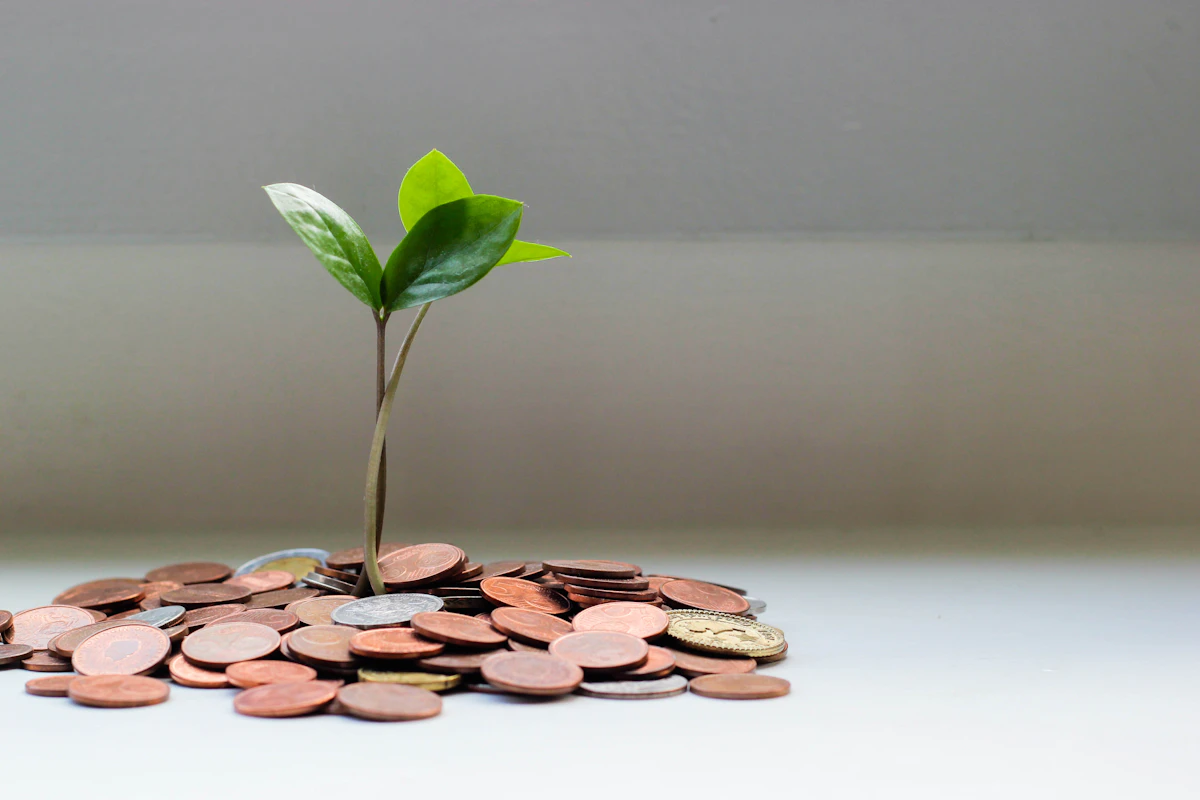
    Coins and plant representing money growth and savings
    Building your savings doesn’t require a big salary — just the right habits.

    Why Saving Money Fast Matters

    Financial emergencies happen to everyone. A sudden car repair, medical bill, or job loss can derail your finances overnight. Having savings provides a crucial safety net and reduces stress dramatically. The faster you build savings, the more financial freedom you gain. Research consistently shows that people with savings sleep better, experience less anxiety, and make better long-term decisions.

    Looking for more tips? Check out our guide on How to Retire Early with ETF: Your 2026 Complete Guide.

    1. Track Every Dollar You Spend

    You cannot save money you cannot see leaving. The first step to saving money fast is tracking every single expense for 30 days. Use a free app like Mint, YNAB, or even a simple spreadsheet. Most people are genuinely shocked by what they discover — subscriptions they forgot about, daily coffee purchases adding up to hundreds monthly, or grocery overbuying that results in food waste.

    Stop Leaving Affiliate Income on the Table

    Most bloggers place Coupang links randomly and earn almost nothing. This guide shows exactly where to place them — so your blog earns while you sleep.

    Get the Guide →

    Once you see where your money actually goes, you can make informed decisions about where to cut. Most people find they can redirect 15 to 25 percent of their spending toward savings simply by becoming aware of unconscious spending habits.

    2. Apply the 24-Hour Rule for Non-Essential Purchases

    Impulse buying is the silent killer of savings. Before making any non-essential purchase over $30, wait 24 hours. This simple habit alone can save hundreds of dollars monthly. During that waiting period, ask yourself three questions: Do I genuinely need this? Will I still want it tomorrow? Can I find it cheaper or borrow it instead? You will find that roughly 60 percent of impulse purchases feel unnecessary after a day’s reflection.

    3. Cut Subscription Costs Immediately

    The average household pays for 12 subscription services but actively uses fewer than six. Go through your bank and credit card statements right now and list every recurring charge. Cancel anything you have not used in the past month. Common culprits include streaming services you forgot about, gym memberships you rarely use, app subscriptions, cloud storage plans, and monthly subscription boxes.

    Cutting just three unnecessary subscriptions typically saves between $50 and $150 per month — that is $600 to $1,800 per year going back into your pocket.

    4. Use the 50/30/20 Budget Framework

    Budgeting feels overwhelming until you have a clear system. The 50/30/20 rule simplifies everything. Allocate 50 percent of your after-tax income to needs (rent, utilities, groceries), 30 percent to wants (dining, entertainment, hobbies), and 20 percent directly to savings and debt repayment. If 20 percent feels aggressive, start at 10 percent and increase it by 1 percent each month. Small, consistent increases are far more sustainable than dramatic cuts that you abandon after two weeks.

    5. Automate Your Savings

    The most reliable way to save money fast is to remove the decision entirely. Set up an automatic transfer from your checking account to a high-yield savings account on the same day your paycheck arrives. When money never sits in your checking account, you are far less likely to spend it. This “pay yourself first” strategy is used by virtually every personal finance expert and consistently produces better results than saving whatever is left at month’s end.

    📺 SAVYX Money & AI Guide

    6. Reduce Your Three Biggest Expenses

    Housing, transportation, and food typically account for 60 to 70 percent of most people’s budgets. Small reductions in these categories produce far greater savings than cutting minor expenses. Consider taking in a roommate to split rent, refinancing your car loan, carpooling or using public transit, or meal prepping to drastically reduce dining out costs. A 10 percent reduction in each of these three categories can free up hundreds of dollars monthly.

    7. Use Cashback and Rewards Strategically

    If you are already spending money on groceries, gas, and utilities, you should be earning cashback on every dollar. Choose a cashback credit card that matches your spending patterns and pay the full balance monthly to avoid interest charges that eliminate all benefits. Apps like Rakuten and Honey automatically find cashback opportunities when you shop online. Over a full year, strategic cashback use can add $300 to $800 in effectively free money.

    8. Negotiate Your Bills Right Now

    Most people never negotiate their recurring bills, leaving significant money on the table. Your internet provider, insurance company, and even your bank will often reduce rates simply if you call and ask. Scripts exist online for negotiating virtually every type of bill. Spending two hours calling service providers can realistically save $100 to $300 per month. That is $1,200 to $3,600 annually for a couple of hours of effort.

    9. Sell What You No Longer Use

    Speed up your savings momentum by selling unused items around your home. Electronics, clothing, furniture, sporting equipment, and books all sell quickly on platforms like eBay, Facebook Marketplace, and Craigslist. Most households have $500 to $2,000 worth of sellable items that are simply collecting dust. Use this money to seed your emergency fund or accelerate debt repayment, both of which free up more money for savings long-term.

    10. Challenge Yourself with No-Spend Days

    Designate two or three days per week as complete no-spend days. No dining out, no online shopping, no impulse purchases. On these days, use what you already have at home for meals and entertainment. Families who implement no-spend days consistently report saving an additional $200 to $400 per month without feeling deprived. The key is replacing spending-based activities with free alternatives like hiking, cooking at home, library visits, or exercise.

    Conclusion: Start Saving Money Fast Today

    Saving money fast is entirely achievable when you combine awareness, systems, and small behavior changes. You do not need to earn more to save more — you need to manage what you already have more intentionally. Start by tracking your spending this week, automate one savings transfer today, and cut one unnecessary subscription right now. These three actions alone can put you on a path to significantly stronger finances within 30 days.

    📘 Want to go deeper?

    Get the full SAVYX ebook guides — proven strategies for blog income, AdSense, and AI monetization.

    👉 Browse SAVYX Ebooks on Gumroad


    📚 Want more money tips and AI income strategies?
    Check out our Korean blog at SAVYX Tistory Blog for in-depth guides!


    Frequently Asked Questions (FAQ)

    How can I save money fast on a very low income?

    Start by tracking every expense, cancel unused subscriptions, cook meals at home, and open a high-yield savings account. Setting an automatic transfer of even $10/week builds the habit.

    What is the fastest way to save $1,000?

    The fastest way to save $1,000 is to cut 3 major expenses (dining out, streaming, impulse shopping), sell unused items, and put all extra income directly into savings.

    What is a realistic savings rate on a low income?

    A realistic savings rate is 5–10% of take-home pay. Even 5% of a $2,000/month income is $100/month, which grows to $1,200/year.

    Are there apps that help save money automatically?

    Yes. Apps like Digit, Qapital, and Acorns automatically move small amounts into savings based on your spending patterns.

    Is saving money on a low income worth it?

    Absolutely. Small consistent savings create an emergency fund, reduce financial stress, and build wealth over time through compound interest.


    Recommended: Top-rated budgeting & finance essentials — curated picks updated daily.

    This post contains affiliate links. I may earn a commission at no extra cost to you.