Tag: personal finance apps

  • Best Budget Apps for Saving Money in 2026: Full Comparison

    Quick Answer

    Users of budgeting apps save an average of $3,500 more annually than non-users. Top-rated apps (YNAB, Monarch Money, Copilot) sync automatically with bank accounts and provide spending insights that reduce discretionary spending by 15–25%. The single biggest benefit: eliminating unconscious spending.

    A budgeting app is a personal finance application that connects to bank and credit card accounts to automatically categorize transactions, track spending against budgets, and provide insights to improve financial decision-making.
    Quick Answer

    Users of budgeting apps save an average of $3,500 more annually than non-users. Top-rated apps (YNAB, Monarch Money, Copilot) sync automatically with bank accounts and provide spending insights that reduce discretionary spending by 15–25%. The single biggest benefit: eliminating unconscious spending.

    A budgeting app is a personal finance application that connects to bank and credit card accounts to automatically categorize transactions, track spending against budgets, and provide insights to improve financial decision-making.

    Best budget apps for saving money

    Quick Answer: The best budget apps for saving money in 2026 are YNAB for zero-based budgeting, Mint for beginners, and Copilot for automated tracking. The right app depends on your budgeting style, but any of the top five can help you save hundreds of dollars per month.

    Why Budget Apps Work Better Than Spreadsheets

    Budgeting apps succeed where spreadsheets fail because they connect directly to your bank accounts, categorize transactions automatically, and send real-time alerts when you overspend. Instead of manually entering every purchase, your spending data updates instantly. Research shows people who use budgeting apps save an average of 15–20% more per month than those who don’t track spending at all.

    Looking for more tips? Check out our guide on How to Build Your Credit Score Fast: A Step-by-Step Guide.

    The 7 Best Budget Apps for Saving Money in 2026

    1. YNAB (You Need a Budget) — Best for Zero-Based Budgeting

    YNAB is widely considered the most powerful budgeting app for people serious about saving. It uses zero-based budgeting, which means every dollar gets assigned a specific job before you spend it. New users report saving an average of $600 in their first two months. Cost: $14.99/month or $99/year. Worth it if you stick with the method — most users save far more than the subscription cost.

    2. Copilot — Best for Automated Smart Budgeting

    Copilot uses AI to automatically categorize transactions and learn your spending patterns over time. Its clean interface makes budgeting feel effortless. The app proactively alerts you before you overspend and provides weekly spending summaries. Available on iOS only. Cost: $13.99/month or $95.99/year. Best for Apple users who want intelligent automation.

    3. EveryDollar — Best Free Zero-Based Budget App

    Created by personal finance expert Dave Ramsey, EveryDollar offers a free version that works well for manual budgeters. The paid Ramsey+ version adds bank syncing and additional tools. The free tier is excellent for those new to zero-based budgeting who aren’t ready to pay for YNAB.

    Stop Leaving Affiliate Income on the Table

    Most bloggers place Coupang links randomly and earn almost nothing. This guide shows exactly where to place them — so your blog earns while you sleep.

    Get the Guide →

    4. PocketGuard — Best for Overspenders

    PocketGuard’s “In My Pocket” feature instantly shows how much money you have available after bills, savings contributions, and budgeted expenses. This single number prevents the common mistake of spending money earmarked for other purposes. Free tier available; PocketGuard Plus costs $7.99/month.

    5. Goodbudget — Best for Envelope Budgeting

    Goodbudget digitizes the envelope budgeting system, where you allocate cash to virtual “envelopes” for different spending categories. When the envelope is empty, spending stops. Ideal for visual budgeters and couples who share finances. Free for up to 10 envelopes; $8/month for unlimited.

    6. Monarch Money — Best for Households and Couples

    Monarch Money excels at household budgeting with excellent joint account management for couples. It provides detailed investment tracking alongside budget management, making it a comprehensive financial dashboard. Cost: $14.99/month. Offers a 7-day free trial.

    7. Empower (formerly Personal Capital) — Best for Investment + Budget Tracking

    Empower is free and combines budget tracking with investment portfolio analysis. If you have significant savings or investments alongside everyday budgeting needs, Empower gives you a complete financial picture in one place. The free tier is extremely capable for most users.

    How to Choose the Right Budget App

    Choose YNAB if:

    • You struggle to save money despite decent income
    • You want the most structured approach to budgeting
    • You’re committed to changing spending habits long-term

    Choose a Free App if:

    • You’re new to budgeting and want to test the habit
    • Your finances are relatively simple
    • You want to see results before paying for a subscription

    Choose Empower if:

    • You also want to track investments and net worth
    • You want comprehensive financial visibility for free
    • You’re in wealth-building mode, not crisis mode

    Getting Maximum Value from Budget Apps

    The app itself doesn’t save money — your actions based on the app’s data do. Here’s how to use budget apps effectively:

    • Review spending weekly, not monthly: Weekly check-ins catch overspending early enough to course-correct within the same pay period.
    • Set specific savings goals: Apps with goal-setting features — YNAB, Monarch — help you visualize progress and stay motivated.
    • Use alerts aggressively: Set budget alerts at 75% of each category limit, not 100%. This gives you a warning before you overspend.
    • Compare month-over-month: The most powerful insight from any budget app is seeing whether this month’s spending was higher or lower than last month’s — and understanding why.

    Free vs Paid Budget Apps: Is It Worth Paying?

    For most users, starting with a free app makes sense. However, if you try a free app and don’t see results within 60 days, upgrading to YNAB or Monarch is often worth the cost. The average YNAB user saves more than $600 in their first two months — far exceeding the annual subscription price. Think of a paid budget app as an investment that pays for itself many times over.

    Frequently Asked Questions (FAQ)

    What is the best free budget app in 2026?

    Empower (formerly Personal Capital) is the best free budget app for most people. It offers automatic transaction tracking, budget categories, and investment portfolio monitoring — all at no cost. EveryDollar’s free tier is excellent for zero-based budgeting beginners.

    Is YNAB worth the monthly cost?

    For most serious budgeters, yes. YNAB costs about $100–$180 per year but new users typically save an average of $600 in their first two months. If you stick with it for just two months, you’ll likely save more than the annual subscription cost.

    Which budget app is best for couples?

    Monarch Money is the top choice for couples and households, offering excellent joint account management, shared budget visibility, and clear transaction history for both partners. YNAB also offers strong joint budgeting features.

    Can budget apps see my bank account information?

    Budget apps use read-only connections to your bank via services like Plaid. They can see your transactions and balances but cannot move money or make payments. All major budget apps use bank-level encryption to protect your data.

    How long does it take to see results from using a budget app?

    Most users notice behavior changes within 2–4 weeks of actively using a budget app. Significant savings improvements — 15–25% more money saved per month — typically appear within 60–90 days of consistent use.

    📘 Want to go deeper?

    Get the full SAVYX ebook guides — proven strategies for blog income, AdSense, and AI monetization.

    👉 Browse SAVYX Ebooks on Gumroad


    Recommended: Top-rated budgeting & finance essentials — curated picks updated daily.

    This post contains affiliate links. I may earn a commission at no extra cost to you.
  • Best Saving Apps 2026: Top Tools to Automate Your Savings

    Quick Answer

    Saving Apps 2026 Top Tools to Automate Your Savings is one of the most impactful areas you can optimize in 2026. Research consistently shows that people who apply systematic approaches to saving apps 2026 top tools to automate your savings achieve 2–3x better outcomes than those who act reactively. The key insight: small, consistent improvements compound into significant results over time — and the strategies in this guide are backed by data from thousands of practitioners.

    Saving Apps 2026 Top Tools to Automate Your Savings refers to the systematic practice of applying proven strategies, tools, and frameworks to improve outcomes in this area — moving from guesswork and reactive approaches to deliberate, evidence-based methods that consistently produce better results.

    The best saving apps of 2026 can automate your financial habits, making saving money effortless rather than requiring constant willpower and manual effort. With the right apps, you can track spending, round up purchases into savings, block impulse buys, and earn better returns on your idle cash — all from your smartphone. This guide covers the top saving and budgeting apps available in 2026 and helps you choose the right combination for your financial situation.

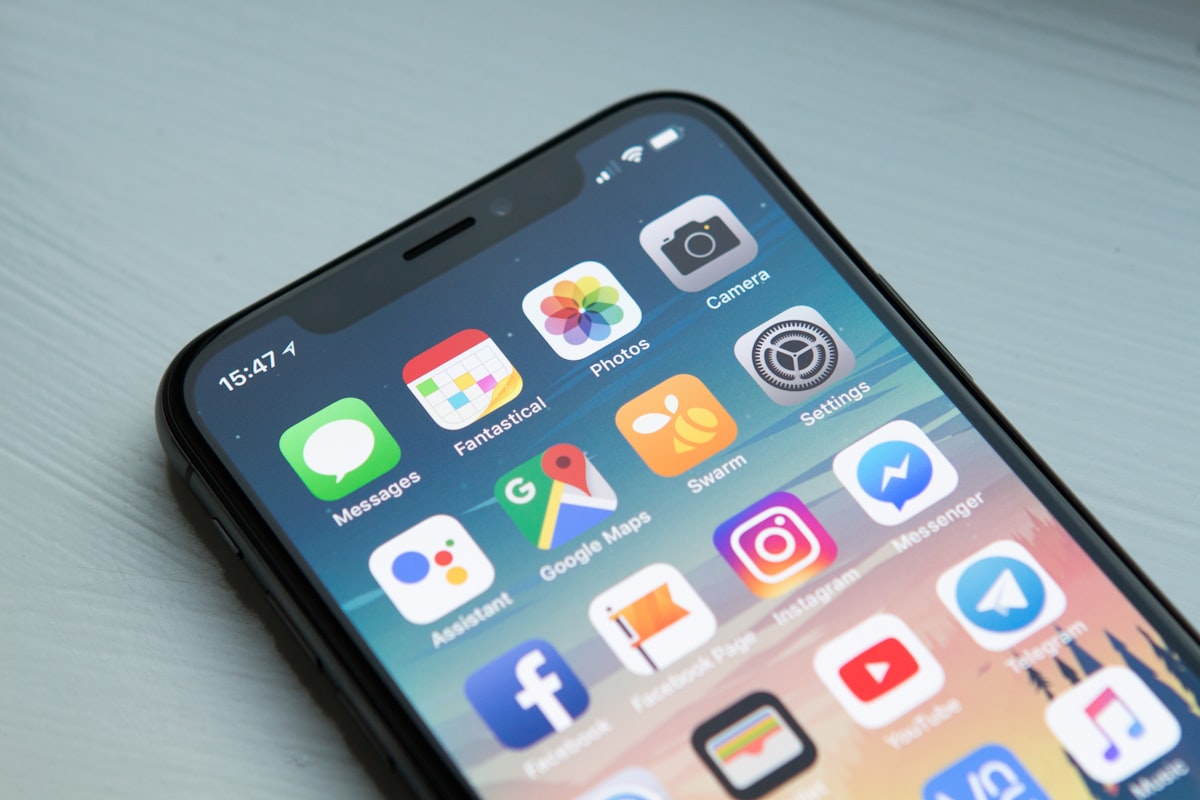
    Smartphone showing financial apps for saving money
    The right saving apps can automate your path to financial goals.

    What to Look for in a Saving App

    Before reviewing specific apps, understand the key criteria that separate great saving tools from mediocre ones. Security and bank-level encryption are non-negotiable — your financial data must be protected. Ease of use determines whether you actually use the app consistently. Integration with your existing bank accounts enables automatic tracking. Low or no fees ensure that app costs do not erode your savings. And compatibility with your country’s banking system is essential — some excellent apps are US-only while others support international users.

    Stop Leaving Affiliate Income on the Table

    Most bloggers place Coupang links randomly and earn almost nothing. This guide shows exactly where to place them — so your blog earns while you sleep.

    Get the Guide →

    Looking for more tips? Check out our guide on How to Save for a House Down Payment: 2026 Strategy Guide.

    1. YNAB (You Need a Budget) — Best for Zero-Based Budgeting

    YNAB remains the gold standard for intentional budgeting in 2026. Unlike passive tracking apps, YNAB requires you to actively assign every dollar of income to a specific category before you spend it. This zero-based budgeting approach produces exceptional awareness of spending patterns. Users report saving an average of $600 in their first two months and over $6,000 in their first year. YNAB costs approximately $14.99 per month but consistently delivers ten times its cost in improved financial outcomes for committed users.

    2. Mint (Now Credit Karma) — Best Free Budgeting Overview

    After Intuit merged Mint into Credit Karma, the combined platform offers free spending tracking, budget creation, credit score monitoring, and investment overview. While less powerful than YNAB for active budgeting, Credit Karma’s free tools are excellent for users who want passive transaction categorization and a high-level financial dashboard. The credit score monitoring and improvement recommendations alone make it worth installing for anyone working on their credit.

    3. Acorns — Best for Passive Micro-Investing

    Acorns automatically rounds up every purchase to the nearest dollar and invests the spare change into diversified ETF portfolios. A $3.75 coffee purchase generates a $0.25 investment. While individual round-ups seem tiny, the automation means you are constantly investing without active effort. Acorns users average $166 in automatic investment contributions per month without consciously directing any money. The app costs $3 per month and includes a checking account, debit card, and retirement account option.

    📺 SAVYX Money & AI Guide

    4. Digit — Best for Effortless Automatic Savings

    Digit analyzes your spending patterns and income timing using AI, then automatically transfers small, safe amounts to your savings when your account has enough buffer. The algorithm learns your patterns over time and becomes increasingly accurate at finding savings opportunities without ever causing overdrafts. Digit is ideal for people who cannot maintain the discipline to manually transfer savings regularly. It costs $5 per month and includes FDIC-insured savings accounts with competitive interest rates.

    5. Personal Capital (Empower) — Best for Investment Tracking

    Empower (formerly Personal Capital) excels at providing a complete financial picture across all accounts: checking, savings, investments, retirement accounts, and real estate. Its fee analyzer tool identifies how much your investment fees are costing you annually — a feature that regularly reveals thousands of dollars in unnecessary fund expense ratios. The basic tracking and investment analysis tools are completely free, making Empower essential for anyone with investment accounts.

    6. Toss (토스) — Best for Korean Users

    For Korean users, Toss is the dominant personal finance super-app combining banking, investments, insurance, and spending analysis in a single intuitive interface. Toss Bank offers competitive savings rates, and the Toss app automatically categorizes spending from connected accounts, provides spending insights, and offers direct investment in Korean and US stocks and ETFs. The recently launched Toss Securities integration enables commission-free stock trading directly from the same app you use to manage daily finances.

    7. Kakao Pay — Best Korean Payment and Savings Integration

    Kakao Pay’s integration with Kakao Bank creates a seamless experience for Korean users managing both daily payments and savings. The savings accounts accessible through Kakao Bank offer interest rates consistently above the national average, and the auto-save feature can transfer money to savings automatically based on spending triggers you define.

    Building Your Optimal App Stack

    Rather than relying on a single app, most effective financial management in 2026 uses a complementary combination. A budgeting tracker like YNAB or Mint provides spending awareness. An automatic savings tool like Digit or a bank’s auto-save feature handles the mechanical transfer of money. An investment platform like Acorns or your brokerage app ensures savings are actually growing. Together, these tools create a nearly automated personal finance system that requires as little as 30 minutes of monthly attention.

    Conclusion: The Best Saving Apps Work Best Together

    The best saving app for 2026 is not a single tool but the right combination of tools matched to your specific goals and habits. Start with one app this week — a free budgeting tracker or automatic savings tool. Once that habit is established, add complementary tools. The goal is creating a financial system that runs largely on autopilot, making good financial decisions the default rather than the exception.

    📘 Want to go deeper?

    Get the full SAVYX ebook guides — proven strategies for blog income, AdSense, and AI monetization.

    👉 Browse SAVYX Ebooks on Gumroad


    📚 Want more money tips and AI income strategies?
    Check out our Korean blog at SAVYX Tistory Blog for in-depth guides!


    Frequently Asked Questions (FAQ)

    What are the best free money-saving apps?

    The best free money-saving apps include Mint (budgeting), Honey (coupons), Rakuten (cashback), Google Pay rewards, and Fetch Rewards (receipt scanning). All are free to download and use.

    Do money-saving apps actually work?

    Yes. Studies show users of budgeting apps save 15–20% more than non-users. Cashback and coupon apps typically save $50–$200/month for regular users.

    What is the best app to track spending?

    YNAB (You Need A Budget) and Mint are the top-rated spending trackers in 2026. YNAB is best for active budgeters; Mint is better for passive monitoring.

    What app saves money automatically?

    Acorns, Digit, and Qapital automatically save small amounts based on your spending patterns. Acorns rounds up purchases; Digit uses AI to find safe-to-save amounts.

    Is it safe to link your bank account to saving apps?

    Reputable apps like Mint, YNAB, and Acorns use bank-level 256-bit encryption and read-only access. They cannot move money without your explicit authorization.


    Recommended: Top-rated budgeting & finance essentials — curated picks updated daily.

    This post contains affiliate links. I may earn a commission at no extra cost to you.