Quick Answer
The average knowledge worker is interrupted every 11 minutes and takes 23 minutes to fully regain focus afterward. Deep work sessions of 90–120 minutes (matching the ultradian rhythm cycle) maximize cognitive output. Turning off notifications increases productivity by 26%. Environmental design (dedicated workspace, phone in another room) outperforms willpower-based focus strategies.
Improving focus and concentration involves optimizing both environmental conditions and cognitive strategies — through notification management, structured work sessions, physical movement, and attention training — to sustain deep work states that produce higher-quality output in less total time.
Quick Answer
The average knowledge worker is interrupted every 11 minutes and takes 23 minutes to fully regain focus afterward. Deep work sessions of 90–120 minutes (matching the ultradian rhythm cycle) maximize cognitive output. Turning off notifications increases productivity by 26%. Environmental design (dedicated workspace, phone in another room) outperforms willpower-based focus strategies.
Improving focus and concentration involves optimizing both environmental conditions and cognitive strategies — through notification management, structured work sessions, physical movement, and attention training — to sustain deep work states that produce higher-quality output in less total time.
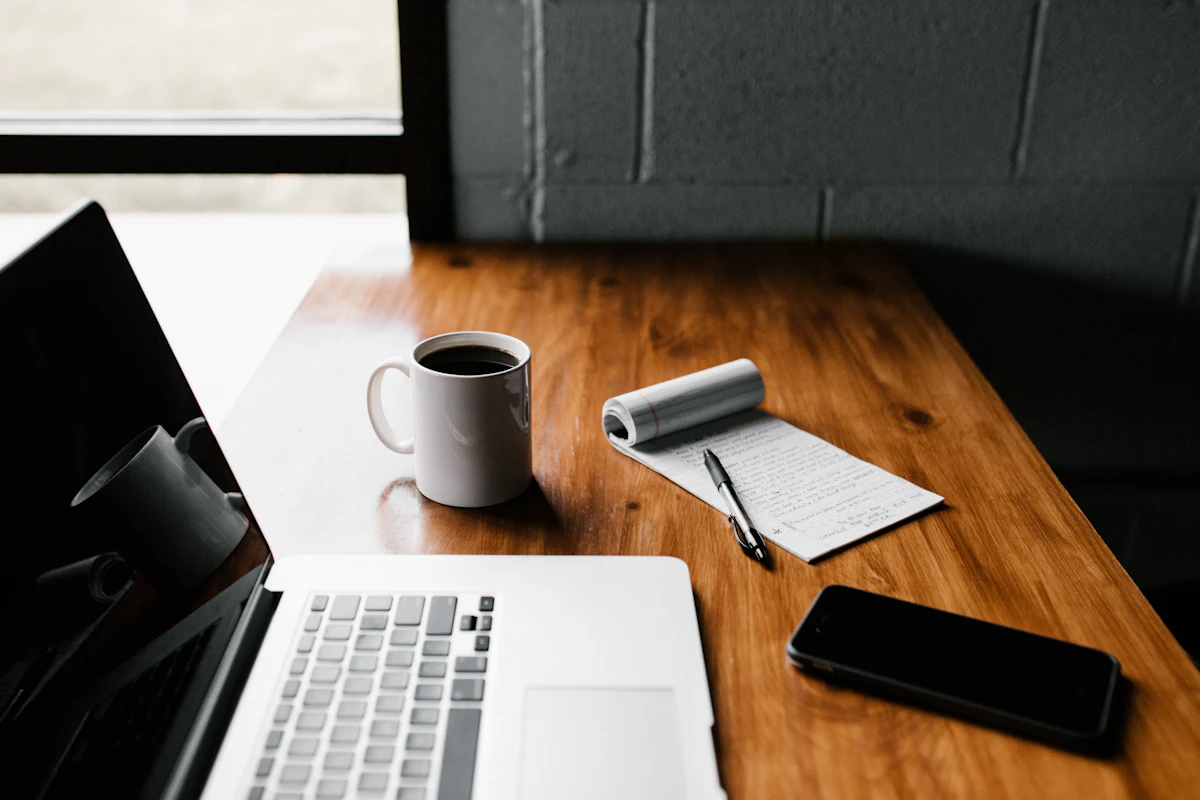
Quick Answer: Achieving deep focus in 2026 requires architectural changes — not willpower. The most effective strategies are time-blocking (scheduling focused work in advance like a meeting), digital environment design (tools that physically prevent distraction), and understanding your brain’s ultradian focus rhythm (90-minute cycles separated by 20-minute recovery periods). Focus is trainable, and the capacity grows with consistent practice.
Looking for more tips? Check out our guide on Best AI Apps 2026: Top Apps That Will Transform Your Daily Life.
Why Focus Is Harder Than Ever in 2026 — and Why It Matters More
Microsoft’s 2015 attention study found the average human attention span dropped from 12 seconds (2000) to 8 seconds (2013). That trend has continued. In 2026, with AI-generated content competing for eyeballs and social platforms deploying real-time optimization algorithms, the environment has become genuinely hostile to sustained attention.
Simultaneously, the economic premium on focused, high-quality cognitive work has increased. Tasks that require sustained concentration — writing, coding, complex analysis, creative problem-solving — are increasingly where the highest value is created. Cal Newport calls this “deep work” — the ability to focus without distraction on cognitively demanding tasks — and argues it’s becoming both more rare and more valuable simultaneously.
The Neuroscience of Focus: Your Brain’s Rhythm
Ultradian Cycles
Your brain naturally oscillates between high-focus and lower-focus states approximately every 90 minutes — the ultradian cycle. When you feel your concentration faltering after 45–60 minutes of deep work, your brain is approaching the trough of this cycle. Working through it with caffeine and willpower produces diminishing returns. Working with it — taking a 15–20 minute break when attention naturally flags — resets the cycle and allows another 90-minute deep focus period.
The Prefrontal Cortex and Decision Fatigue
Your prefrontal cortex — responsible for sustained attention, impulse control, and complex decision-making — operates on a finite daily energy budget. Decisions, interruptions, and social media (which triggers the same neural circuits as social decisions) all draw from this budget. This is why deep focus work is most effective in the morning before the budget is depleted.
The 5 Most Effective Deep Focus Strategies
1. Time Blocking
Schedule focused work blocks on your calendar like meetings — specific start time, end time, and topic. Don’t leave “do deep work” as a vague intention; make it a calendar appointment that displaces other potential uses of that time. Studies consistently show that people who schedule specific implementation intentions complete 2–3x more of their goals than those who don’t.
Build a Blog Income Stream Around Your Lifestyle
Productivity alone won’t replace your salary. This guide shows how to combine AdSense, affiliates, and digital products into a blog that earns consistently.
2. Digital Environment Design
Freedom app blocks distracting sites across all devices. Phone goes into another room (not just face-down — proximity alone is cognitively costly). Notifications off for everything except genuine emergencies. Email closed and checked on a schedule. These aren’t willpower-based solutions — they physically change the available options.
3. The 90-Minute Deep Work Session
Structure sessions around the ultradian cycle: 90 minutes of single-tasking on one difficult task → 15–20 minute true break (not scrolling phone). For most people, 2–3 of these cycles per day represents the realistic limit of high-quality deep work — additional “working” hours are usually lower-quality.
4. Mono-Tasking Protocol
Every open browser tab, notification badge, and unfinished task creates a “cognitive overhead” that reduces working memory capacity. During focus blocks: one application, one browser window (specific task only), one document open. Closing everything except what you’re actively using can increase effective working memory by 20–30%.
5. Focus Recovery Practices
The quality of rest determines the quality of focus. Practices that restore focus capacity: non-sleep deep rest (10–20 minute eyes-closed relaxation, different from napping), nature walks without phone (attention restoration theory), and unstructured thinking time (shower thinking, walking without input). These aren’t luxury habits — they’re focus infrastructure.
Building a Deep Work Practice Over 30 Days
- Week 1: One 60-minute focused work block daily with all distractions blocked
- Week 2: Extend to 90 minutes. Add a second block if the first becomes comfortable
- Week 3: Two 90-minute blocks with structured break between
- Week 4: Establish as permanent daily structure. Track output quality, not just time spent
FAQ
How long can you maintain deep focus?
Research suggests 90-minute deep focus sessions are near the ceiling of sustained high-quality concentration for most people. Elite performers like writers, programmers, and scientists average 4 hours of genuinely deep work per day — more time is possible but quality diminishes significantly after this threshold.
Why can’t I focus for more than 5 minutes?
Short attention spans in 2026 are often a trained response to constant digital stimulation, not a fixed trait. The same way muscles atrophy without use, focused attention capacity reduces with disuse and rebuilds with consistent practice. Start with 10-minute focus sessions and extend weekly.
Does caffeine help you focus?
Caffeine blocks adenosine receptors, reducing fatigue signals and improving alertness — but it doesn’t create focus, it removes a barrier to it. Timing matters: consuming caffeine 90–120 minutes after waking (letting natural cortisol peak first) produces better focus effects than drinking coffee immediately upon waking.
What is deep work according to Cal Newport?
Deep work, as defined by Cal Newport, is professional activity performed in a state of distraction-free concentration that pushes your cognitive capabilities to their limit and creates new value, improves your skill, and is hard to replicate. Newport contrasts it with “shallow work” — low-cognitive-demand tasks done in a distracted state.
How do you stay focused when working from home?
Key strategies: designate a specific workspace used only for work (physical space triggers shift into work mode), create a start-of-work ritual to signal focus time, use noise-canceling headphones and ambient sound tools (Brain.fm, Noisli), and establish clear work end times to maintain the psychological boundary between work and rest.
📚 Related Articles
📘 Want to go deeper?
Get the full SAVYX ebook guides — proven strategies for blog income, AdSense, and AI monetization.
Recommended: Smart home & lifestyle picks — curated picks updated daily.
This post contains affiliate links. I may earn a commission at no extra cost to you.