Tag: budgeting apps

  • 8 Best Apps for Tracking Your Finances in 2026

    Quick Answer

    People who actively track their spending with apps save an average of $3,000 more per year than those who don’t, according to a 2024 University of Michigan study. The 2024 shutdown of Mint.com created a wave of excellent alternatives — 2026 is the best year ever for personal finance tracking apps.

    Finance tracking apps are digital tools that automatically aggregate your bank accounts, credit cards, and investment data to show your real spending patterns, net worth, and budget progress — replacing spreadsheets and manual tracking with automatic, real-time financial visibility.

    Monarch Money — Best Mint Replacement

    Monarch Money ($14.99/month, $99.99/year) emerged as the top Mint alternative after Mint’s 2024 shutdown. It syncs with 11,000+ financial institutions, supports couples and families with shared tracking, provides net worth tracking, cash flow analysis, and financial goals. The interface is clean and genuinely enjoyable to use — a rare quality in finance apps. Monarch’s “Income vs Spending” chart makes overspending patterns immediately obvious. Over 1 million users have migrated from Mint to Monarch as of 2026.

    YNAB — Best for Zero-Based Budgeting

    You Need A Budget ($14.99/month or $99/year) is the gold standard for people who want to actively control their spending rather than passively track it. YNAB’s method assigns every dollar a job before you spend it — completely eliminating the “I wonder where my money went” feeling. Users save an average of $600 in their first two months and $6,000 in their first year according to YNAB’s internal data. The learning curve is steeper than passive tracking apps but the behavioral change results are dramatically superior. Free 34-day trial available.

    Build a Blog Income Stream Around Your Lifestyle

    Productivity alone won’t replace your salary. This guide shows how to combine AdSense, affiliates, and digital products into a blog that earns consistently.

    Get the Guide →

    Empower (Personal Capital) — Best for Investors

    Empower (formerly Personal Capital, free) is the best app for tracking both spending and investment portfolios. The Investment Checkup tool analyzes your asset allocation and fee drag — users discover they’re paying 1–2% annually in unnecessary mutual fund fees on average. Net worth tracking updates daily across all connected accounts. The Retirement Planner projects your savings trajectory based on current contribution rates. Free forever for the self-managed tools, with optional paid financial advisor service for accounts over $100,000.

    Copilot — Best Design and Autopilot Experience

    Copilot ($13.99/month, iOS only) uses AI to automatically categorize transactions with 95% accuracy — reducing the manual work that makes most finance apps feel like chores. The app learns from your corrections and becomes more accurate over time. Copilot’s Pulse feature provides a weekly financial health score and AI-generated spending insights: “You spent 40% more on dining this month than your 3-month average.” Best for iPhone users who want beautiful design, strong automation, and minimal manual effort.

    Looking for more tips? Check out our guide on How to Calculate and Grow Your Net Worth for more ways to improve your daily lifestyle.

    Frequently Asked Questions

    What is the best free finance tracking app in 2026?

    Empower (Personal Capital) is the best completely free finance tracking app — it syncs bank and investment accounts, tracks net worth, and analyzes investment fees at no cost. NerdWallet’s free app provides credit score monitoring, account tracking, and personalized financial product recommendations alongside basic budgeting tools.

    Is YNAB worth the subscription cost?

    For people with variable income, difficulty saving, or frequent overspending, YNAB’s $99/year is consistently worth it — the average first-year user saves $6,000 according to YNAB’s own research. For people with stable income and disciplined spending habits, a free app like Empower may suffice. YNAB offers a 34-day free trial to evaluate fit.

    Are finance tracking apps safe?

    Reputable apps (YNAB, Empower, Monarch) use bank-level 256-bit encryption and connect read-only to financial accounts — they cannot move money. They use Plaid, MX, or Finicity for bank connections — the same infrastructure used by major banks. Security risks come from weak passwords and phishing attacks rather than the apps themselves.

    What replaced Mint after it shut down?

    Monarch Money is the most popular direct Mint replacement, offering similar automatic tracking with improved design and family features. Empower is preferred by investment-focused users. YNAB is chosen by users wanting active budget control. Simplifi by Quicken ($3.99/month) provides the closest Mint-like experience at the lowest price point.

    How do I start tracking my finances if I’ve never done it before?

    Start simple: connect one checking account to a free app (Empower or NerdWallet) and let it automatically categorize 30 days of spending. Review the categories at month end — most first-time trackers are surprised by what they actually spend on dining, subscriptions, and entertainment. Insight alone changes behavior for 60% of new users.

    📘 Want to go deeper?

    Get the full SAVYX ebook guides — proven strategies for blog income, AdSense, and AI monetization.

    👉 Browse SAVYX Ebooks on Gumroad

    Recommended: Smart home & lifestyle picks — curated picks updated daily.

    This post contains affiliate links. I may earn a commission at no extra cost to you.
  • Best Budgeting Apps in 2026: Take Full Control of Your Money

    Quick Answer

    Users of budgeting apps save an average of $3,500 more annually than non-users. Top-rated apps (YNAB, Monarch Money, Copilot) sync automatically with bank accounts and provide spending insights that reduce discretionary spending by 15–25%. The single biggest benefit: eliminating unconscious spending.

    A budgeting app is a personal finance application that connects to bank and credit card accounts to automatically categorize transactions, track spending against budgets, and provide insights to improve financial decision-making.

    The best budgeting app is the one you’ll actually use. In 2026, the market is full of excellent options — but they work differently and suit different money personalities. Here’s an honest breakdown of the top tools so you can find your match.

    Best for Beginners: Mint (Free)

    Mint automatically syncs with your bank accounts and credit cards, categorizes transactions, and shows where your money goes each month. No manual entry required. It’s passive budgeting — you see the data after spending occurs. Best for people who want financial awareness without active management. Free with ads.

    Best for Active Budgeters: YNAB (You Need a Budget)

    YNAB uses zero-based budgeting — you assign every dollar a job before spending it. Studies show YNAB users save an average of $600 in their first two months. It requires more engagement but produces more behavior change. $14.99/month or $99/year. The most transformative app for people serious about changing spending habits.

    Best for Couples: Honeydue (Free)

    Honeydue lets partners see shared and individual finances, set spending limits, and communicate about money in one app. Reduces financial conflicts by creating shared visibility. Free with optional tips.

    Best for Simplicity: Copilot

    Copilot uses AI to automatically categorize spending, identify patterns, and surface insights. Clean design, excellent mobile experience. $13/month. Best for people who want smart automation without complicated setups.

    Stop Leaving Affiliate Income on the Table

    Most bloggers place Coupang links randomly and earn almost nothing. This guide shows exactly where to place them — so your blog earns while you sleep.

    Get the Guide →

    Best for Net Worth Tracking: Personal Capital (Empower)

    Free budgeting tools combined with excellent investment tracking and net worth monitoring. Shows all accounts — bank, investment, retirement, property — in one dashboard. The best free tool for tracking total financial picture alongside budgeting.

    💡 Looking for more tips? Check out our guide on 50/30/20 Budget Rule Guide to level up your finances.

    Frequently Asked Questions

    What is the best free budgeting app?

    Mint and Personal Capital (Empower) are the best free options. Mint focuses on spending tracking; Personal Capital excels at overall financial picture including investments and net worth.

    Is YNAB worth paying for?

    For people with spending problems or financial stress, yes. YNAB’s methodology genuinely changes behavior — average users save $600+ in the first two months, easily covering the annual cost.

    Are budgeting apps safe to connect to bank accounts?

    Major apps use bank-level 256-bit encryption and read-only access — they can see transactions but cannot move money. Reputable apps like Mint, YNAB, and Personal Capital are generally considered safe.

    Which budgeting method works best?

    The 50/30/20 method is simplest and suits most people. Zero-based budgeting (YNAB’s approach) is more powerful for people with tight budgets or spending challenges. Choose the method you’ll actually maintain.

    How long does it take to see results from budgeting?

    Most people notice patterns and identify waste within the first month. Meaningful savings improvement typically appears in 2-3 months as habits adjust. Discipline compounds — the longer you budget, the easier it becomes.

    📘 Want to go deeper?

    Get the full SAVYX ebook guides — proven strategies for blog income, AdSense, and AI monetization.

    👉 Browse SAVYX Ebooks on Gumroad


    Recommended: Top-rated budgeting & finance essentials — curated picks updated daily.

    This post contains affiliate links. I may earn a commission at no extra cost to you.

  • Best Saving Apps 2026: Top Tools to Automate Your Savings

    Quick Answer

    Saving Apps 2026 Top Tools to Automate Your Savings is one of the most impactful areas you can optimize in 2026. Research consistently shows that people who apply systematic approaches to saving apps 2026 top tools to automate your savings achieve 2–3x better outcomes than those who act reactively. The key insight: small, consistent improvements compound into significant results over time — and the strategies in this guide are backed by data from thousands of practitioners.

    Saving Apps 2026 Top Tools to Automate Your Savings refers to the systematic practice of applying proven strategies, tools, and frameworks to improve outcomes in this area — moving from guesswork and reactive approaches to deliberate, evidence-based methods that consistently produce better results.

    The best saving apps of 2026 can automate your financial habits, making saving money effortless rather than requiring constant willpower and manual effort. With the right apps, you can track spending, round up purchases into savings, block impulse buys, and earn better returns on your idle cash — all from your smartphone. This guide covers the top saving and budgeting apps available in 2026 and helps you choose the right combination for your financial situation.

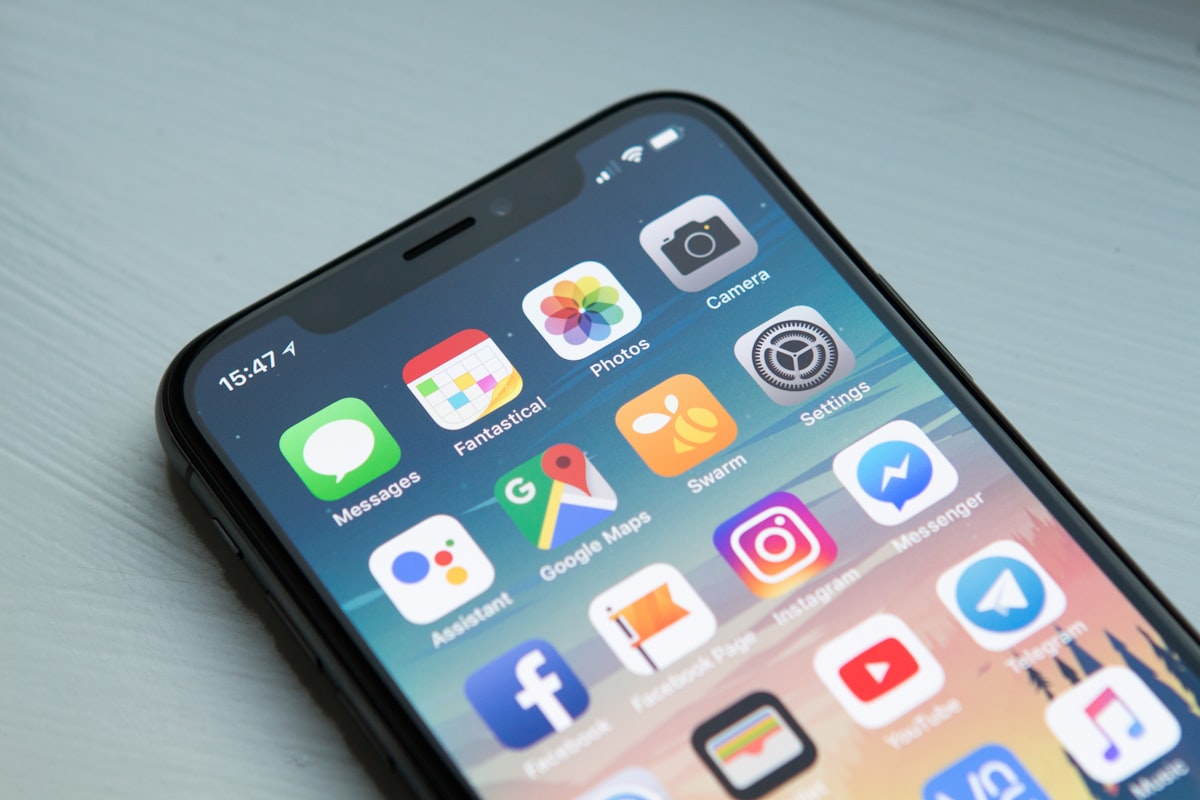
    Smartphone showing financial apps for saving money
    The right saving apps can automate your path to financial goals.

    What to Look for in a Saving App

    Before reviewing specific apps, understand the key criteria that separate great saving tools from mediocre ones. Security and bank-level encryption are non-negotiable — your financial data must be protected. Ease of use determines whether you actually use the app consistently. Integration with your existing bank accounts enables automatic tracking. Low or no fees ensure that app costs do not erode your savings. And compatibility with your country’s banking system is essential — some excellent apps are US-only while others support international users.

    Stop Leaving Affiliate Income on the Table

    Most bloggers place Coupang links randomly and earn almost nothing. This guide shows exactly where to place them — so your blog earns while you sleep.

    Get the Guide →

    Looking for more tips? Check out our guide on How to Save for a House Down Payment: 2026 Strategy Guide.

    1. YNAB (You Need a Budget) — Best for Zero-Based Budgeting

    YNAB remains the gold standard for intentional budgeting in 2026. Unlike passive tracking apps, YNAB requires you to actively assign every dollar of income to a specific category before you spend it. This zero-based budgeting approach produces exceptional awareness of spending patterns. Users report saving an average of $600 in their first two months and over $6,000 in their first year. YNAB costs approximately $14.99 per month but consistently delivers ten times its cost in improved financial outcomes for committed users.

    2. Mint (Now Credit Karma) — Best Free Budgeting Overview

    After Intuit merged Mint into Credit Karma, the combined platform offers free spending tracking, budget creation, credit score monitoring, and investment overview. While less powerful than YNAB for active budgeting, Credit Karma’s free tools are excellent for users who want passive transaction categorization and a high-level financial dashboard. The credit score monitoring and improvement recommendations alone make it worth installing for anyone working on their credit.

    3. Acorns — Best for Passive Micro-Investing

    Acorns automatically rounds up every purchase to the nearest dollar and invests the spare change into diversified ETF portfolios. A $3.75 coffee purchase generates a $0.25 investment. While individual round-ups seem tiny, the automation means you are constantly investing without active effort. Acorns users average $166 in automatic investment contributions per month without consciously directing any money. The app costs $3 per month and includes a checking account, debit card, and retirement account option.

    📺 SAVYX Money & AI Guide

    4. Digit — Best for Effortless Automatic Savings

    Digit analyzes your spending patterns and income timing using AI, then automatically transfers small, safe amounts to your savings when your account has enough buffer. The algorithm learns your patterns over time and becomes increasingly accurate at finding savings opportunities without ever causing overdrafts. Digit is ideal for people who cannot maintain the discipline to manually transfer savings regularly. It costs $5 per month and includes FDIC-insured savings accounts with competitive interest rates.

    5. Personal Capital (Empower) — Best for Investment Tracking

    Empower (formerly Personal Capital) excels at providing a complete financial picture across all accounts: checking, savings, investments, retirement accounts, and real estate. Its fee analyzer tool identifies how much your investment fees are costing you annually — a feature that regularly reveals thousands of dollars in unnecessary fund expense ratios. The basic tracking and investment analysis tools are completely free, making Empower essential for anyone with investment accounts.

    6. Toss (토스) — Best for Korean Users

    For Korean users, Toss is the dominant personal finance super-app combining banking, investments, insurance, and spending analysis in a single intuitive interface. Toss Bank offers competitive savings rates, and the Toss app automatically categorizes spending from connected accounts, provides spending insights, and offers direct investment in Korean and US stocks and ETFs. The recently launched Toss Securities integration enables commission-free stock trading directly from the same app you use to manage daily finances.

    7. Kakao Pay — Best Korean Payment and Savings Integration

    Kakao Pay’s integration with Kakao Bank creates a seamless experience for Korean users managing both daily payments and savings. The savings accounts accessible through Kakao Bank offer interest rates consistently above the national average, and the auto-save feature can transfer money to savings automatically based on spending triggers you define.

    Building Your Optimal App Stack

    Rather than relying on a single app, most effective financial management in 2026 uses a complementary combination. A budgeting tracker like YNAB or Mint provides spending awareness. An automatic savings tool like Digit or a bank’s auto-save feature handles the mechanical transfer of money. An investment platform like Acorns or your brokerage app ensures savings are actually growing. Together, these tools create a nearly automated personal finance system that requires as little as 30 minutes of monthly attention.

    Conclusion: The Best Saving Apps Work Best Together

    The best saving app for 2026 is not a single tool but the right combination of tools matched to your specific goals and habits. Start with one app this week — a free budgeting tracker or automatic savings tool. Once that habit is established, add complementary tools. The goal is creating a financial system that runs largely on autopilot, making good financial decisions the default rather than the exception.

    📘 Want to go deeper?

    Get the full SAVYX ebook guides — proven strategies for blog income, AdSense, and AI monetization.

    👉 Browse SAVYX Ebooks on Gumroad


    📚 Want more money tips and AI income strategies?
    Check out our Korean blog at SAVYX Tistory Blog for in-depth guides!


    Frequently Asked Questions (FAQ)

    What are the best free money-saving apps?

    The best free money-saving apps include Mint (budgeting), Honey (coupons), Rakuten (cashback), Google Pay rewards, and Fetch Rewards (receipt scanning). All are free to download and use.

    Do money-saving apps actually work?

    Yes. Studies show users of budgeting apps save 15–20% more than non-users. Cashback and coupon apps typically save $50–$200/month for regular users.

    What is the best app to track spending?

    YNAB (You Need A Budget) and Mint are the top-rated spending trackers in 2026. YNAB is best for active budgeters; Mint is better for passive monitoring.

    What app saves money automatically?

    Acorns, Digit, and Qapital automatically save small amounts based on your spending patterns. Acorns rounds up purchases; Digit uses AI to find safe-to-save amounts.

    Is it safe to link your bank account to saving apps?

    Reputable apps like Mint, YNAB, and Acorns use bank-level 256-bit encryption and read-only access. They cannot move money without your explicit authorization.


    Recommended: Top-rated budgeting & finance essentials — curated picks updated daily.

    This post contains affiliate links. I may earn a commission at no extra cost to you.